
The Health Scholar | mysciencenotes.com | Last updated: March 2026
Table of Contents
| TL;DR — Key Takeaways • Drink significantly more fluids: Aim for a daily intake that produces at least 2.5 liters of urine to dilute stone-forming minerals. • Balance your plate: Maintain normal calcium levels through dairy while strictly limiting salt and animal-derived proteins to reduce mineral buildup. • Target the cause: While surgery removes the stones, long-term success requires addressing underlying health conditions and dietary habits to prevent recurrence. |
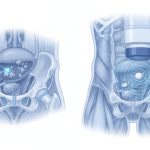
| Definition: Cystolitholapaxy is a surgical procedure where bladder stones are fragmented into smaller pieces using tools like lasers or ultrasound and then removed from the body through a thin tube called a cystoscope. [6, 7] |
Why Diet Matters After Cystolitholapaxy
Diet after cystolitholapaxy plays a crucial role in preventing bladder stones from returning. While the procedure removes existing stones, without proper dietary changes the recurrence risk can reach 30–50% within five years.
Undergoing cystolitholapaxy is an important step in treating bladder stones, but the procedure itself does not prevent new stones from forming.[6, 7] Evidence indicates that bladder stones are often the result of metabolic imbalances, many of which are influenced by what we eat and drink.[2, 5] Without proper dietary intervention, the risk of stones returning is high; research suggests a recurrence rate of 30% to 50% within five years of the initial episode.[5]
Most bladder stones in adults are composed of uric acid (roughly 50%) or calcium oxalate. [6] Studies suggest that dietary changes can directly alter the chemical composition of your urine, making it harder for these minerals to crystallize and aggregate. [2, 3] For example, high salt intake can increase the amount of calcium your kidneys filter into the urine, while excessive animal protein can lower your levels of citrate — a natural stone inhibitor. [3, 5] Addressing these dietary factors alongside any underlying conditions, such as urinary stasis or an enlarged prostate, is crucial for long-term health. [6]
| 💡 Practical Takeaway: While surgery clears existing stones, a personalized diet is your most effective tool for stopping new ones from forming. |
How Much Water to Drink
The most critical factor in preventing bladder stones is maintaining a high volume of urine to keep minerals diluted. [1, 4] Evidence indicates that increasing fluid intake has a powerful preventive effect, reducing the risk of stone recurrence by approximately 55% to 61%. [1] For most adults, health organizations recommend a daily fluid intake of 2.5 to 3.0 liters to ensure a total urine output of at least 2.0 to 2.5 liters per day. [4]
Water is the preferred liquid for hydration because it is free of calories, alcohol, and additives that might promote stone growth.[1, 2] It is also helpful to distribute fluid intake evenly throughout the 24-hour period, including drinking a glass of water before bed to prevent urine from becoming overly concentrated during the night.[4] Monitoring your urine color — aiming for a pale or clear appearance — can serve as a practical guide for your hydration levels.[4] Staying well hydrated is the single most important dietary habit after cystolitholapaxy.
| 💡 Practical Takeaway: Aim to drink enough water to produce at least 2.5 liters of pale urine every day to flush out minerals before they turn into stones. |
Foods to Avoid
Following a restricted diet after cystolitholapaxy means avoiding foods that raise stone-forming minerals in your urine. Certain foods and beverages can significantly increase the concentration of stone-forming substances in your bladder. The following table summarizes items that evidence suggests should be limited:[2, 3, 5]
| Food Category | Reason for Limitation | Examples / Evidence |
| High-Oxalate Foods | Oxalate binds with calcium in urine to form the most common stone type. [2, 3] | Spinach, rhubarb, nuts, chocolate, beets |
| Animal Proteins | Increases uric acid and calcium; lowers protective citrate levels. [2, 3, 5] | Limit red meat, poultry, seafood to ~0.8 g/kg body weight/day |
| Table Salt (Sodium) | High sodium causes kidneys to excrete more calcium into urine. [2, 3, 5] | Limit sodium to < 2 g per day |
| Sugary Drinks | Fructose and phosphoric acid (in colas) linked to higher stone risk. [2, 6] | Soda, sugar-sweetened juices, cola beverages |
| Vitamin C Supplements | High doses convert to oxalate in the body, raising stone risk. [6, 7] | Limit supplements to < 1,000 mg per day |
Limiting these items helps maintain a healthy urinary environment. Reducing animal protein not only lowers uric acid but also helps raise the pH of your urine, making it less acidic. [3, 5] Similarly, reducing sodium is vital because high-salt diets can make certain stone-prevention medications less effective. [5]
| 💡 Practical Takeaway: Reducing salt, sugar, and animal protein intake is a foundational step in lowering the mineral concentration in your urine. |

Foods That Help Prevent Recurrence
While some foods should be limited, others play an active role in inhibiting stone formation. Citrate is one of the most important inhibitors because it forms complexes with calcium, preventing it from binding with oxalate. [3, 5] Natural sources of citric acid, such as lemon, orange, and melon juices, can be highly beneficial. [5] Studies suggest that low-calorie orange juice can increase urinary citrate levels, providing an alternative to medical alkali therapy in some patients. [7]
Maintaining a normal calcium intake is also essential — a common point of confusion for many patients. Contrary to older beliefs, evidence indicates that a diet rich in calcium from dairy sources (milk, yogurt, and cheese) actually reduces the risk of stone formation. [2, 5] When consumed with meals, calcium binds to oxalate in the intestines, preventing it from being absorbed and excreted by the kidneys. [3] Furthermore, a diet high in fruits and vegetables provides potassium and magnesium, which help increase urine pH and offer further protection against crystallization. [7]
| 💡 Practical Takeaway: Incorporating citrus juices and maintaining a normal intake of dairy products can naturally block stones from forming. |
Sample 7-Day Diet Plan
This plan emphasizes high fluid intake, controlled protein, and the inclusion of stone inhibitors such as citrate. Evidence suggests that dietary fiber, found in the whole grains and vegetables listed below, may also help by providing phytates that inhibit calcium stone formation. [5, 7]
| Day | Breakfast | Lunch | Dinner | Snacks / Fluids |
| 1 | Oatmeal with berries | Grilled chicken salad (light salt) | Baked fish with steamed broccoli | 1 glass lemon juice; 3L water |
| 2 | Low-fat yogurt and fruit | Quinoa bowl with mixed vegetables | Pasta with fresh tomato and basil | 1 glass orange juice; 3L water |
| 3 | Whole grain toast with egg | Turkey wrap (whole wheat) | Lentil soup with carrots | Fresh melon slices; 3L water |
| 4 | Smoothie with milk and fruit | Large garden salad with chickpeas | Grilled tofu and brown rice | 1 glass lemon juice; 3L water |
| 5 | Low-salt cottage cheese | Vegetable stir-fry (low-sodium soy) | Baked salmon and sweet potato | Handful of fruit; 3L water |
| 6 | Bran cereal with milk | Tuna salad with celery (light mayo) | Zucchini noodles with pesto | 1 glass orange juice; 3L water |
| 7 | Poached eggs and fruit | Whole wheat pita with hummus | Grilled chicken and green beans | Fresh berries; 3L water |
Throughout the week, ensure that fluid intake remains the priority, as even the best diet cannot compensate for dehydration. [1, 4]
| 💡 Practical Takeaway: A balanced, fiber-rich diet that prioritizes hydration and citrus is your best daily defense against new stones. |
When to Contact Your Doctor
It is important to monitor your health closely after surgery. While a certain amount of discomfort is expected during recovery, some symptoms are red flags that require immediate medical attention. Evidence indicates that stones can sometimes cause serious cystolitholapaxy complications, such as high-grade urinary obstruction or sepsis.[6] If you experience a sudden onset of severe, unilateral flank or abdominal pain — often described as colicky — it may indicate a new stone has moved into the ureter.[6, 7]
You should also contact your healthcare provider immediately if you experience signs of an infection, such as fever, chills, or persistent nausea and vomiting. [6] Visible blood in the urine (hematuria) that does not resolve, or a sudden inability to urinate (urinary retention), are also critical signs that stones may be obstructing the urinary tract. [6] In pediatric patients, look for signs of irritability, crying, and fever, as children may not be able to describe their pain accurately. [6]
| 💡 Practical Takeaway: Never ignore fevers, severe pain, or an inability to urinate — these can signal serious complications requiring prompt medical evaluation. |
Frequently Asked Questions
| How long should I follow this diet? Studies suggest that stone formation is a lifelong risk once you have experienced your first episode. Because the underlying metabolic or anatomical factors that caused the stones often persist after surgery, evidence indicates that dietary and hydration habits should be maintained indefinitely to ensure long-term prevention. [2, 5] The diet after cystolitholapaxy should ideally become a permanent lifestyle change. |
| Can I eat meat after cystolitholapaxy? Yes, but moderation is key. Evidence indicates that high animal protein intake increases uric acid and calcium in the urine while lowering protective citrate. Studies suggest limiting intake to approximately 0.8 grams of protein per kilogram of your body weight per day. [3, 5] |
| Does coffee affect bladder stones? Interestingly, observational studies suggest that coffee consumption is associated with a lower risk of stone formation. While water remains the preferred fluid for hydration, coffee and tea may provide a protective effect, likely because they contribute to overall urine flow and dilution. [7] |
| Is this diet different for children? The core principles — hydration and avoiding excess salt — remain the same. However, children have specific nutritional needs for growth. Evidence suggests they should not have their calcium or protein restricted below the recommended daily allowance for their age to avoid affecting development. [6] |
| Can bladder stones come back after cystolitholapaxy? Yes. Surgery removes the current stones but does not fix the conditions that caused them. Without preventive measures like increased water intake and dietary changes, studies show that up to 50% of patients may experience a recurrence within five years. [1, 5] For what to expect during healing, see our guide on cystolitholapaxy recovery time. |
| ⚠ Disclaimer: This article is for informational purposes only and does not constitute medical advice. Always consult your urologist before making dietary changes after surgery. |
References
All references are formatted in APA 7th edition.
[1] Wei, Q. (2020). Water for preventing urinary stones. Cochrane Database of Systematic Reviews, (2). https://doi.org/10.1002/14651858.CD004292.pub4
[2] Wang, Z., Zhang, Y., & Wei, W. (2021). Effect of dietary treatment and fluid intake on the prevention of recurrent calcium stones and changes in urine composition: A meta-analysis and systematic review. PLOS ONE, 16(4), Article e0250257. https://doi.org/10.1371/journal.pone.0250257
[3] Finkielstein, V. A., & Goldfarb, D. S. (2006). Strategies for preventing calcium oxalate stones. CMAJ, 174(10), 1407–1411. https://doi.org/10.1503/cmaj.051517
[4] Courbebaisse, M., Travers, S., Bouderlique, E., Michon-Colin, A., Daudon, M., De Mul, A., … & Prot-Bertoye, C. (2023). Hydration for adult patients with nephrolithiasis: specificities and current recommendations. Nutrients, 15(23), 4885. https://doi.org/10.3390/nu15234885
[5] Saxena, A., & Sharma, R. K. (2010). Nutritional aspect of nephrolithiasis. Indian Journal of Urology, 26(4), 523-530. https://doi.org/10.4103/0970-1591.74451
[6] Bladder stones. (2025). In StatPearls. StatPearls Publishing. https://www.ncbi.nlm.nih.gov/books/NBK441944/
[7] Bladder and kidney stones. (2024). In StatPearls. StatPearls Publishing. https://www.ncbi.nlm.nih.gov/books/NBK559101/